FUNDAMENTALS OF PRESSURE REGULATORS
In the gas industry, there are two basic types of regulators used for both pressure reducing and back pressure (relief) control. The two types are: 1.) Self Operated Type 2.) Pilot Operated Type


ASGMT has been providing Oil & Gas end-user personnel, manufacturing employees and university students the opportunity to obtain technical training from over 115 lecture classes and 48 hands-on equipment training classes.
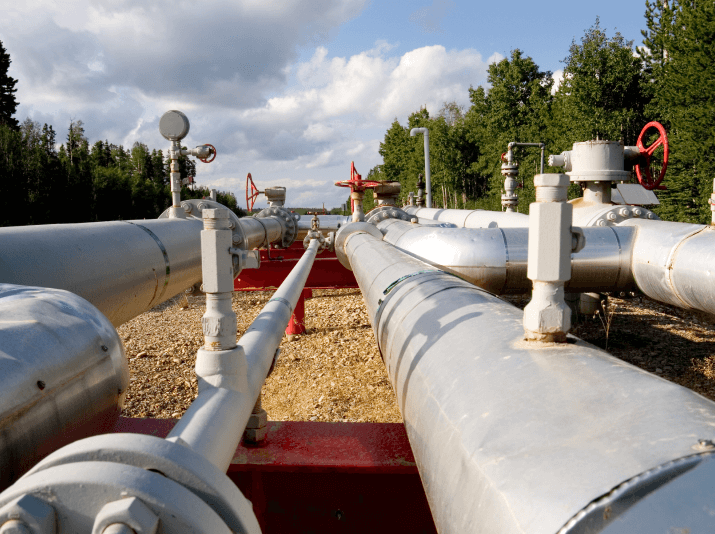
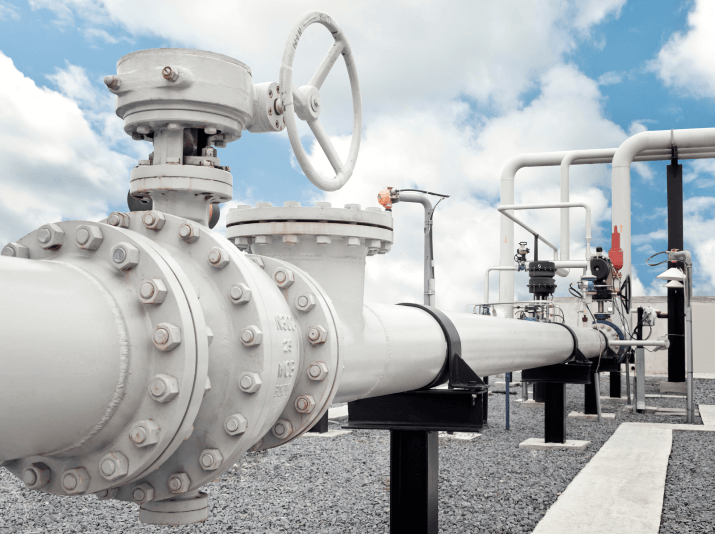


In the gas industry, there are two basic types of regulators used for both pressure reducing and back pressure (relief) control. The two types are: 1.) Self Operated Type 2.) Pilot Operated Type
For many years now, flow computers have been implemented in gas measurement systems to utilize technology, to improve measurement accuracy, provide far more efficient data acquisition, and provide better control resources for remote interface through telemetry.
The speed of sound in natural gas is the velocity a sound wave travels in the gas. There are a number of gas properties that affect the speed of sound and they include the composition of the gas, the pressure of the gas and the temperature of the gas. The American Gas Association Report No. …
CALCULATING THE SPEED OF SOUND IN NATURAL GAS USING AGA REPORT NO. 10 Read More »
The American Gas Association published Report No. 9, Measurement of Gas by Multipath Ultrasonic Meters 2nd Edition [Ref1] in April 2007. Report 9 details recommended practice for using multipath gas ultrasonic meters (USMs) in fiscal (custody) measurement applications. This paper reviews some of history behind the development of AGA Report No. 9 (often referred to …
In today’s competitive gas market, utility companies must meet aggressive market strategies or suffer the consequences. All industries have cash registers, and gas distribution is no exception. Our measuring stations are our cash register. The problem is, these stations were designed 10, 20, 30 or even 50 years ago, and are now performing tasks they …
COPING WITH CHANGING FLOW REQUIREMENTS AT EXSISTING METERING STATIONS Read More »
The National Electrical Code (NEC) defines hazardous locations as those areas “where fire or explosion hazards may exist due to flammable gases or vapors, flammable liquids, combustible dust, or ignitable fibers or flyings.”
A number of control signals have been developed and used as technology has evolved and been applied to the natural gas industry. Control signals are a standardized method of conveying information from one device to another. A control signal is the data sent from one device to another by a specific method.
The efficient operation and maintenance of electrical and electronic systems utilized in the natural gas industry is substantially determined by the technician’s skill in applying the basic concepts of electrical circuitry. This paper will discuss the basic electrical laws, electrical terms and control signals as they apply to natural gas measurement systems.
This paper described the current contents of the United States orifice flow metering standard – American Petroleum Institute (API) Manual of Petroleum Measurement Standards (MPMS) Chapter 14.3, “Orifice Metering of Natural Gas and Other Related Hydrocarbon Fluids,” Part [ 1] 2, “Specification and Installation Requirements.” This document is also known as American Gas Association Report …
A REVIEW OF API MPMS CHAPTER 14.3/AGA REPORT NO. 3 – PART 2 Read More »
One of the most common measurement errors and the most difficult to identify in natural gas metering systems is that caused by pulsating flow. It is important to understand the effects that pulsations have on the common types of flow meters used in the gas industry so that potential error- producing mechanisms can be identified …
EFFECTS AND CONTROL OF PULSATION IN GAS MEASUREMENT Read More »

